Showcasing Innovations Made in Germany
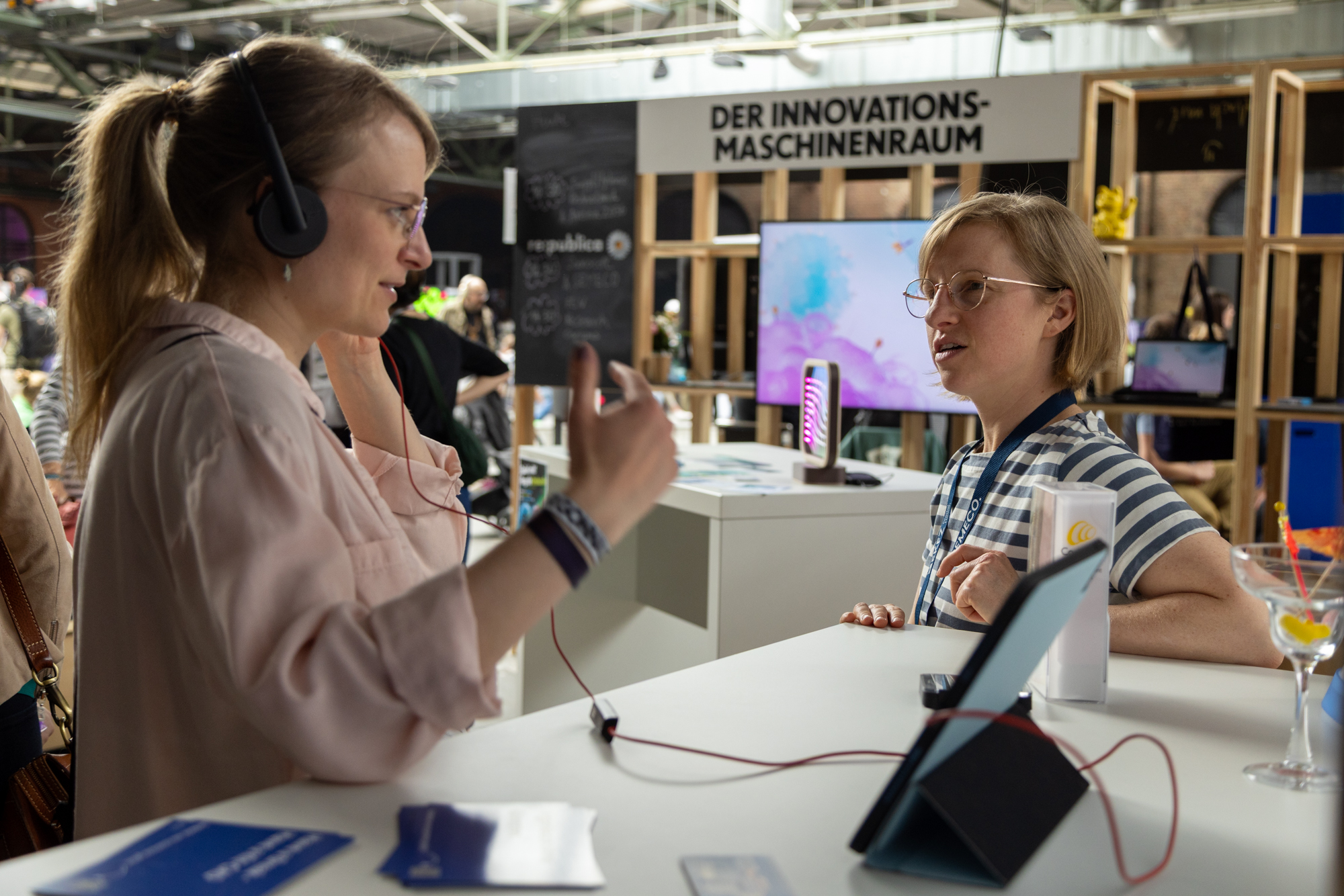
Across Germany, future clusters and research campuses are developing market-ready solutions in fields such as microelectronics for medicine, artificial intelligence, biotechnology, quantum technologies, climate-neutral mobility, and energy generation. At re:publica 2026, Europe’s largest festival for the digital society, 21 initiatives funded by the Federal Ministry of Research, Technology, and Space (BMFTR) presented themselves together for the first time as Germany‘s Powerhouse of Innovation. Over three intensive and inspiring days, the diversity of the German research and innovation landscape became clear, as did the fact that scientific ideas, in collaboration with companies and startups, give rise to market-ready technologies. The goal of the joint presentation was to demonstrate that innovation in Germany emerges from strong networks and interdisciplinary collaboration. The joint booth provided an opportunity to engage in dialogue with the cluster managers and offered insights into specific research and technology transfer projects.
SEMECO presented an intelligent communication implant.
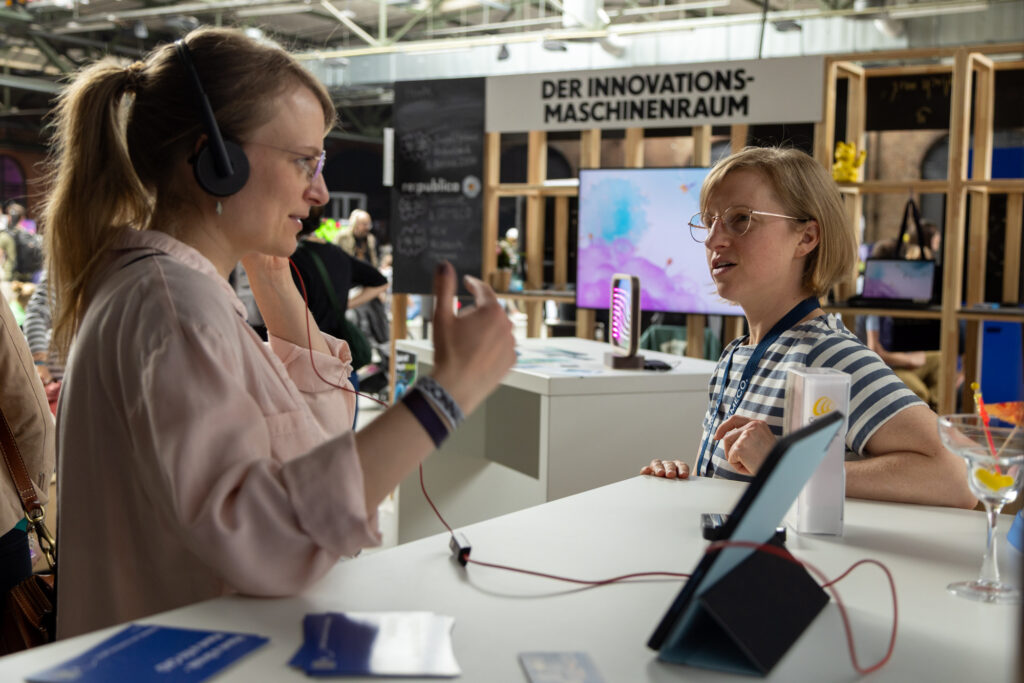
SEMECO was represented at re:publica by Dr. Elisabeth Fischermeier. On behalf of the entire cluster, she presented the InKomm subproject, in which project partners are developing an intelligent communication implant. Many people are familiar with the so-called “cocktail party problem”: In noisy environments or when multiple people are speaking at once, current hearing systems often reach their limits. Those affected can often follow conversations only to a limited extent and are thus unable to participate fully in social life. The InKomm project is developing an intelligent communication implant designed to significantly improve speech comprehension under difficult acoustic conditions. The system decodes acoustic attention from electroencephalographic (EEG) signals, amplifies the relevant speech source, and suppresses competing noises and voices. A mobile neurotechnological platform integrates these AI modules in real time and dynamically adapts to the user’s state of attention. The platform is intended for both clinical use and everyday life.
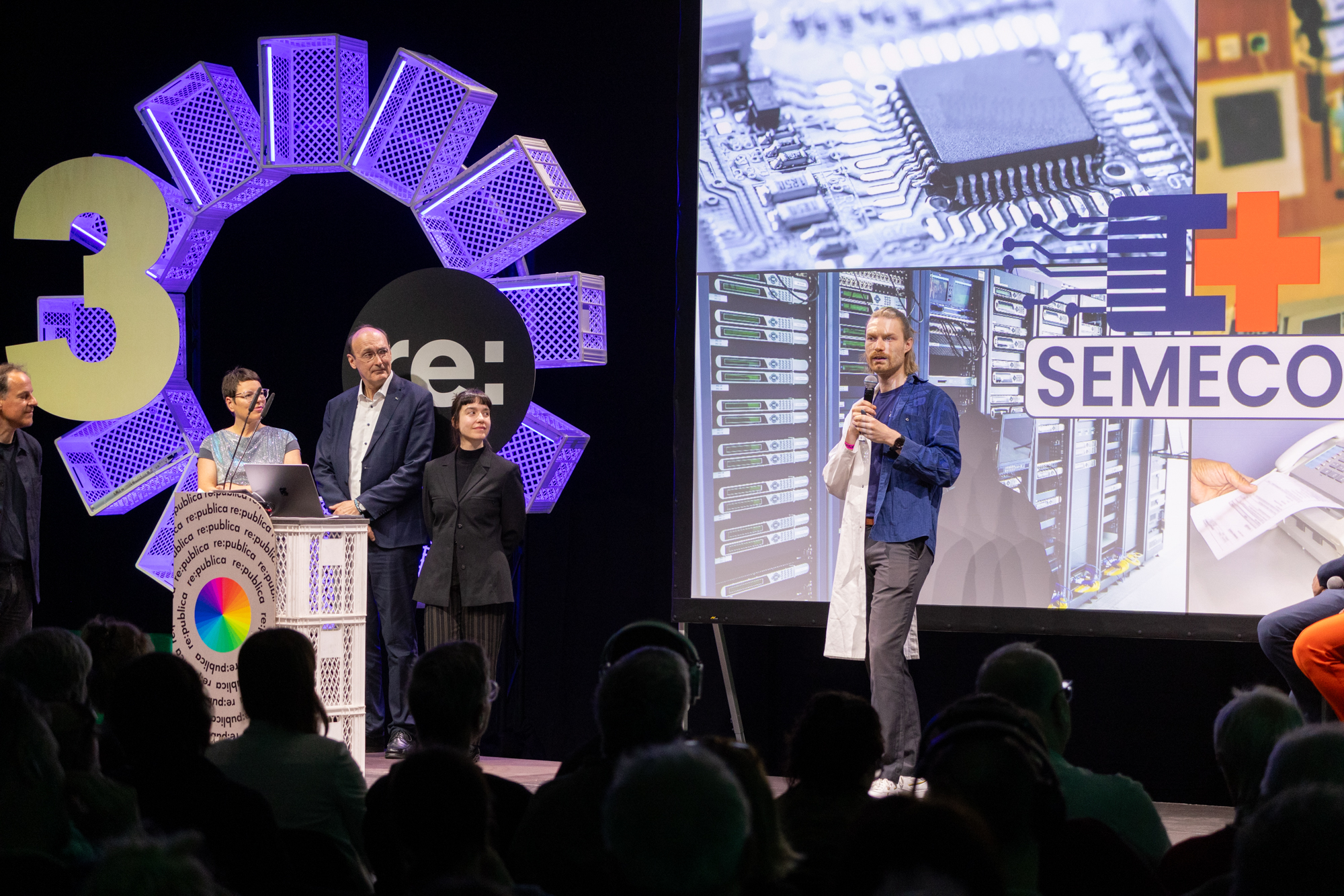
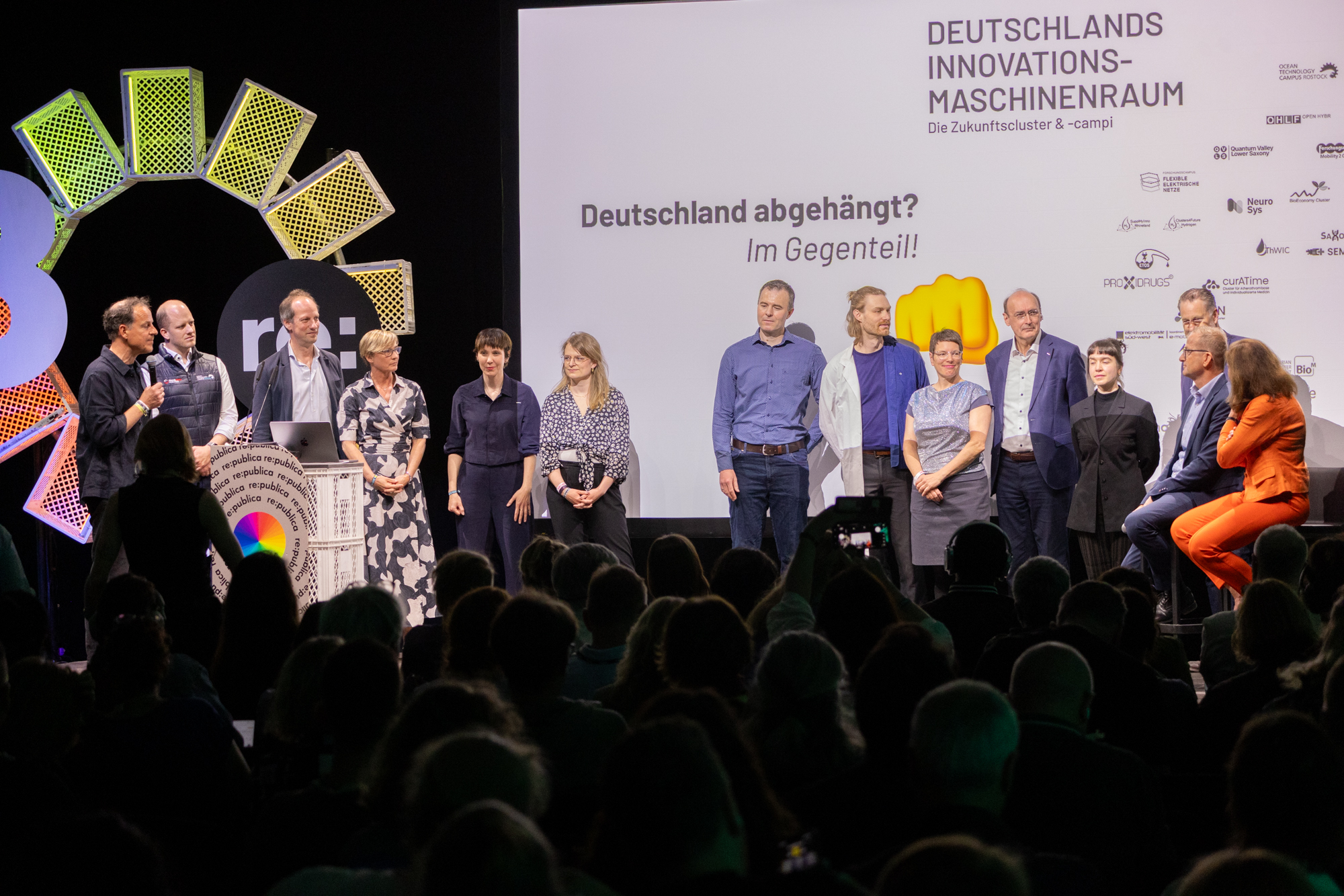
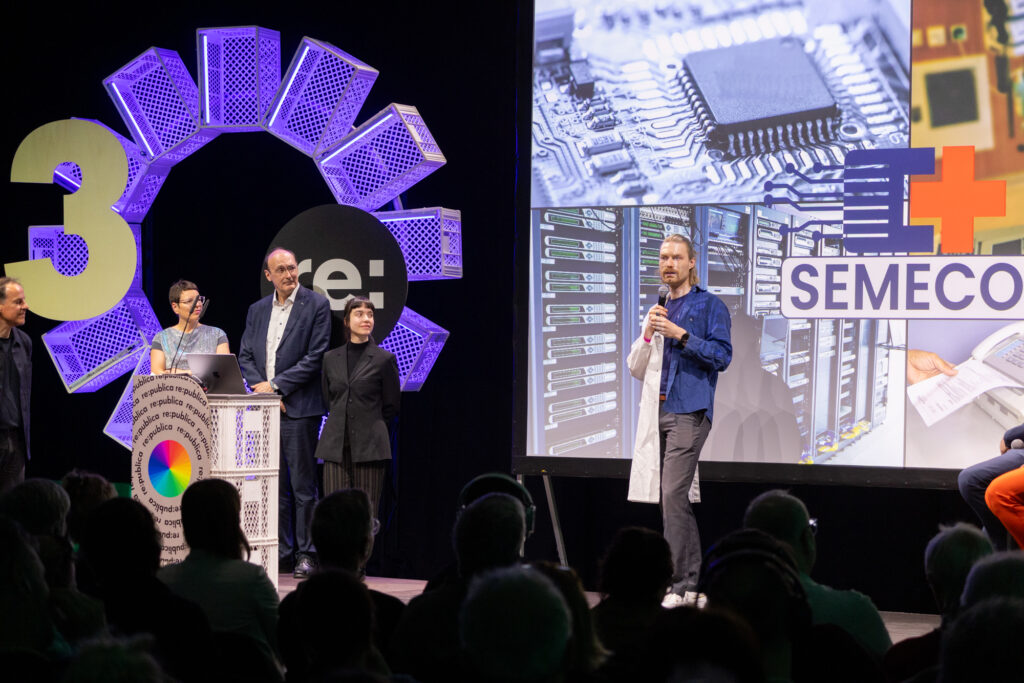
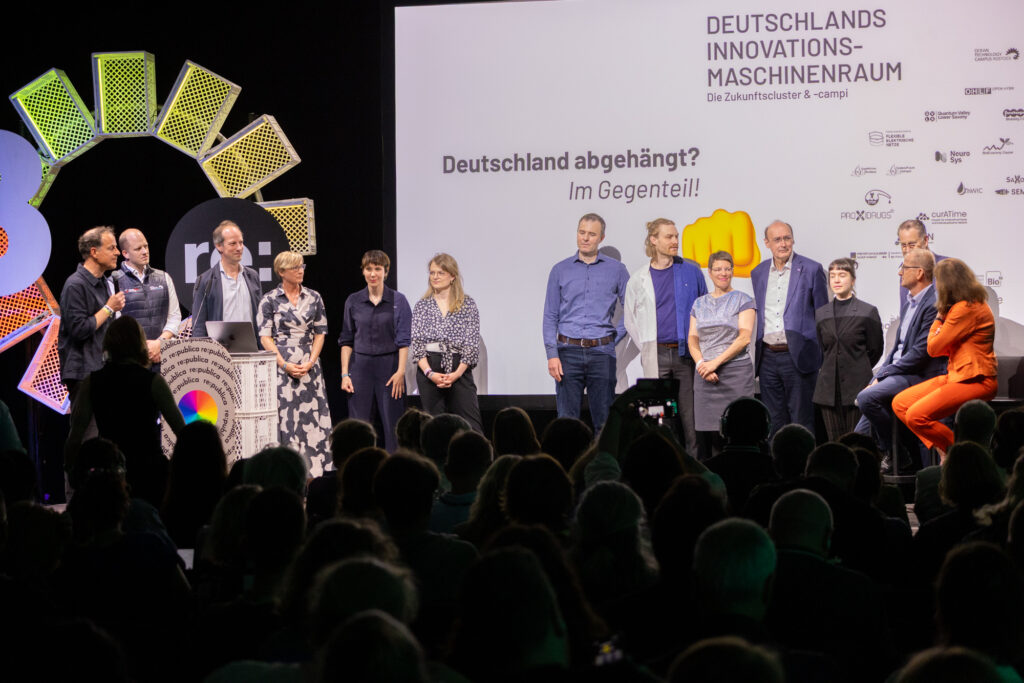
A highlight was the joint stage presentation by the cluster and campus initiatives. Representatives from eleven clusters and research campuses each had one minute to present their innovations and visions. Marco Gustav presented the SEMECO Future Cluster to an audience of around 400 people. Dr. Alexandra-Gwyn Paetz, Head of the Department for Technological Sovereignty and Innovation at the BMFTR, also attended the event. The focus was on how Germany can strengthen its technological innovation capacity and translate research into applications more quickly. The participating clusters emphasized that innovations emerge when research institutions, companies, startups, and societal actors collaborate on solutions. Future clusters and research campuses will play this role as the engine rooms of technological progress in Germany.
Networking, exchange, and new perspectives
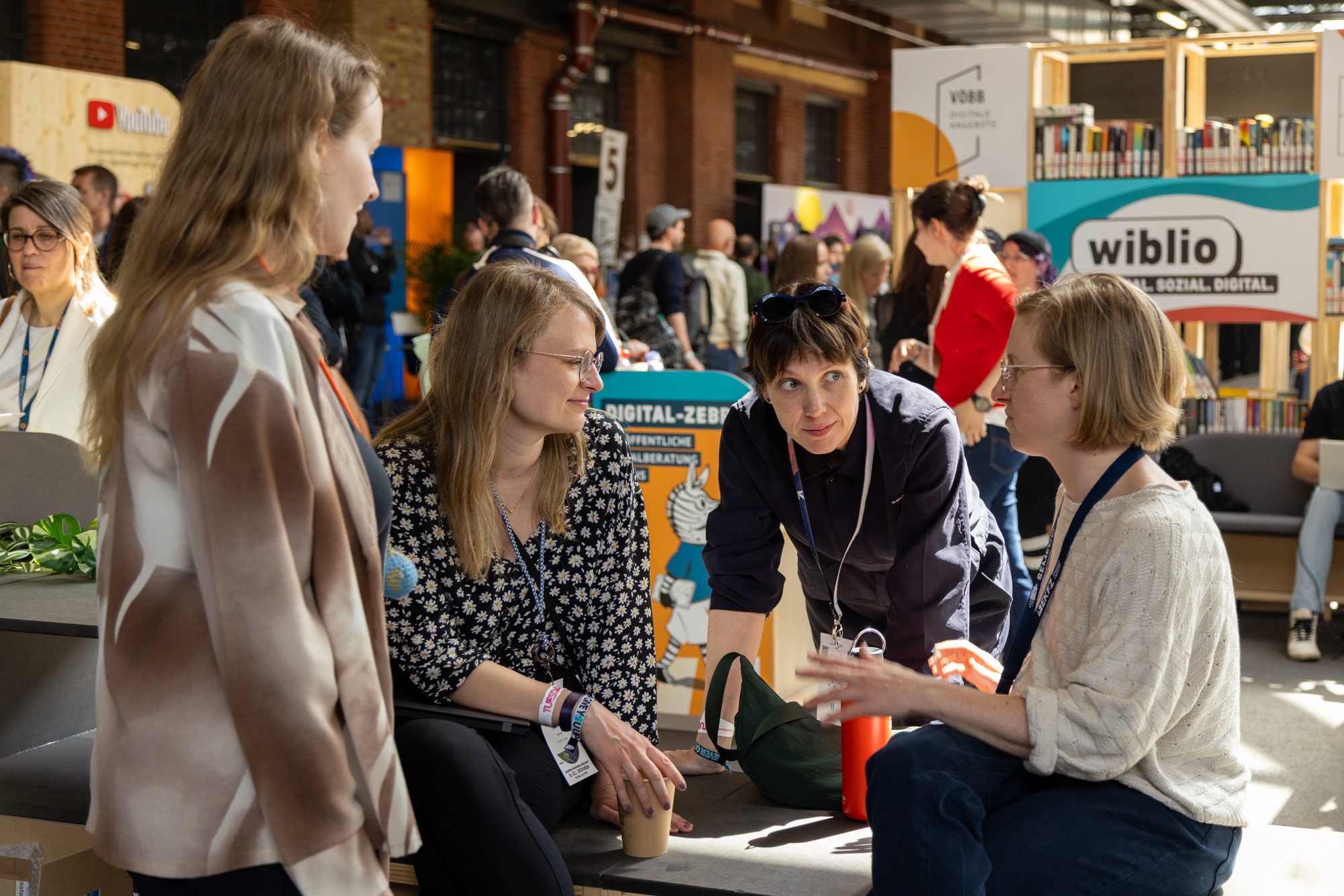
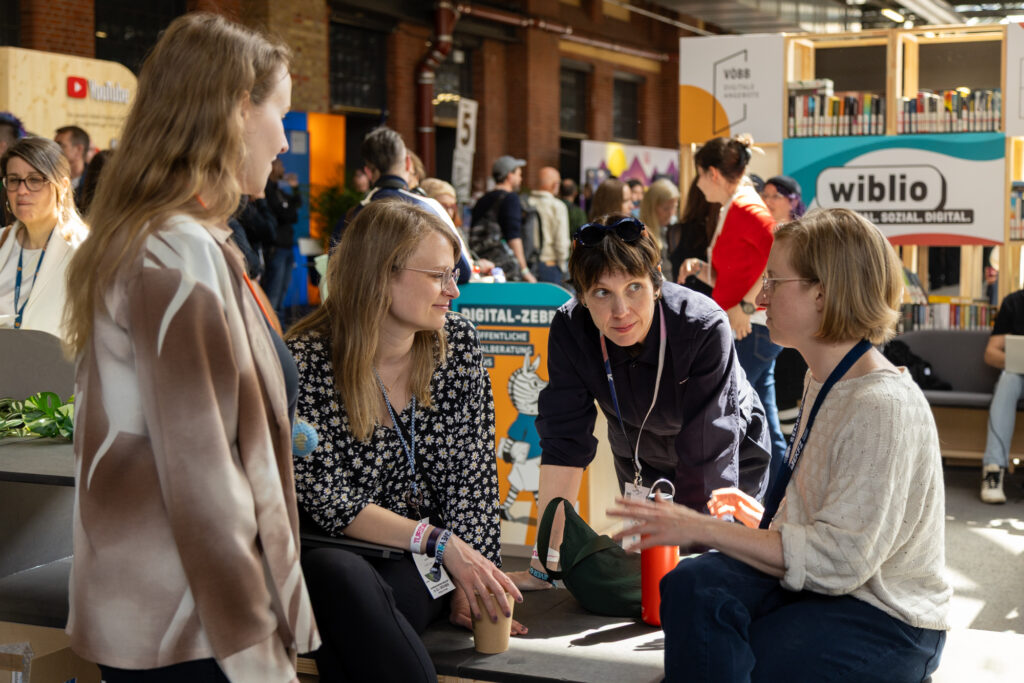
For SEMECO, re:publica 2026 was a valuable platform for expanding the cluster’s visibility and establishing new contacts. At the same time, it became clear just how interconnected the German cluster landscape is now, spanning disciplines, technologies, and regions. We would like to thank all visitors and cluster partners for three extraordinary days filled with exchange and new perspectives.